Library image
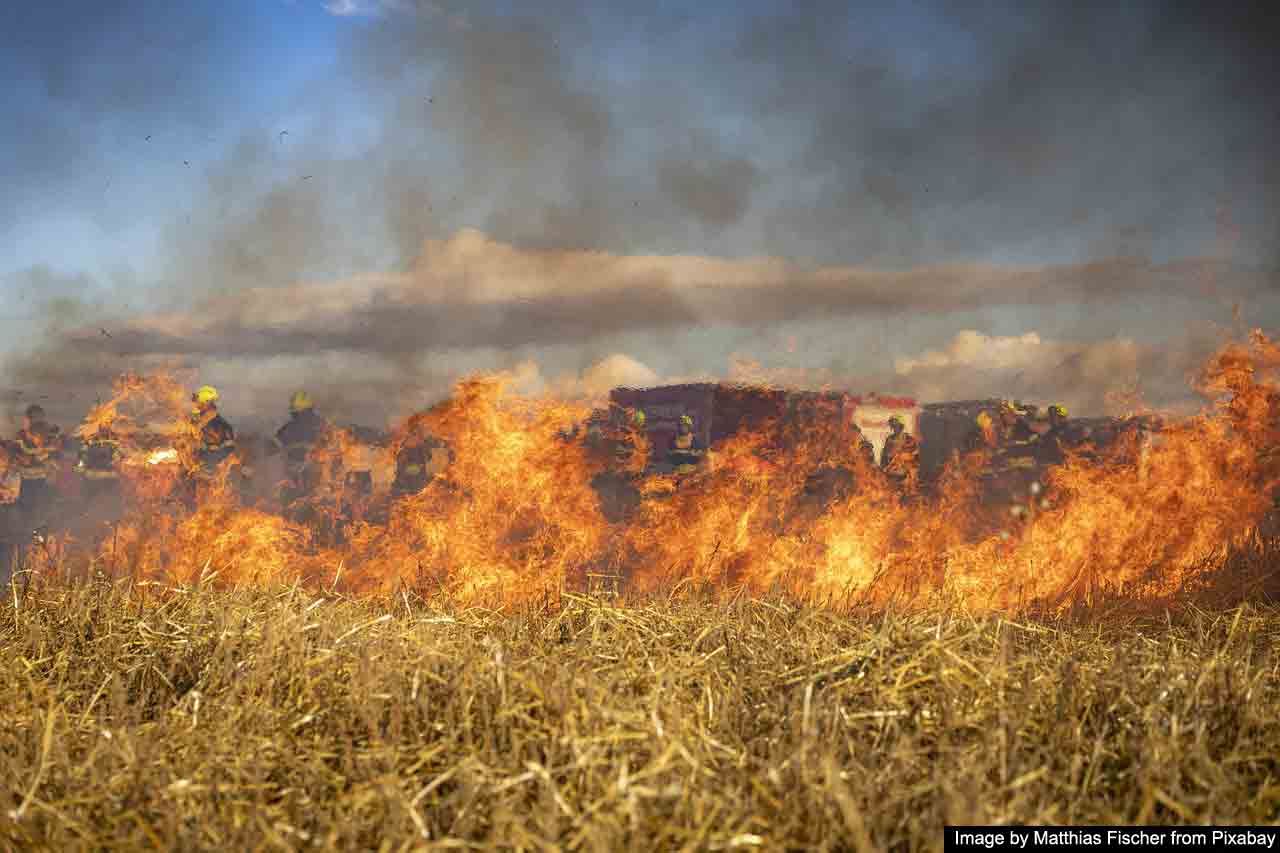
On Sunday evening, April 19, 2026, a sudden blaze broke out across the marshlands off Sandwich Road, Ramsgate. The incident began shortly after 19:37, lighting up the Thanet skyline as dry vegetation caught fire.
Kent Fire and Rescue Service dispatched three fire engines to the scene and for over an hour, crews battled the spreading flames using a combination of high-pressure hose reel jets and standard main jets. By 20:50, the fire was successfully brought under control. While the scorched earth left a grim mark on the landscape, officials confirmed there were no injuries.
While the fire was extinguished relatively quickly, marshland fires carry specific ecological and social consequences that often linger long after the smoke clears.
Marshlands act as vital carbon sinks. When organic matter like peat or dry reeds burns, it releases stored carbon back into the atmosphere while destroying essential habitats. Ramsgate’s marshes support specific bird species and invertebrates, and even a localised fire can wipe out nesting sites during the critical spring breeding season. Furthermore, high-intensity heat can damage the soil’s seed bank, potentially allowing invasive species to dominate before native flora can recover.
Occurring in mid-April, this fire serves as a warning for the coming summer months. Early season marsh fires often suggest that the water table is lower than usual or that the previous winter failed to provide adequate saturation. As a result, local authorities may need to implement earlier fire bans or high-alert warnings for the Thanet countryside to prevent more catastrophic wildfires during the peak heat of June and July.
Although no injuries occurred, the unknown origin of the fire remains a point of concern for the community. Without a definitive cause, preventing a recurrence becomes a much greater challenge for local fire services.