By Alan Latham
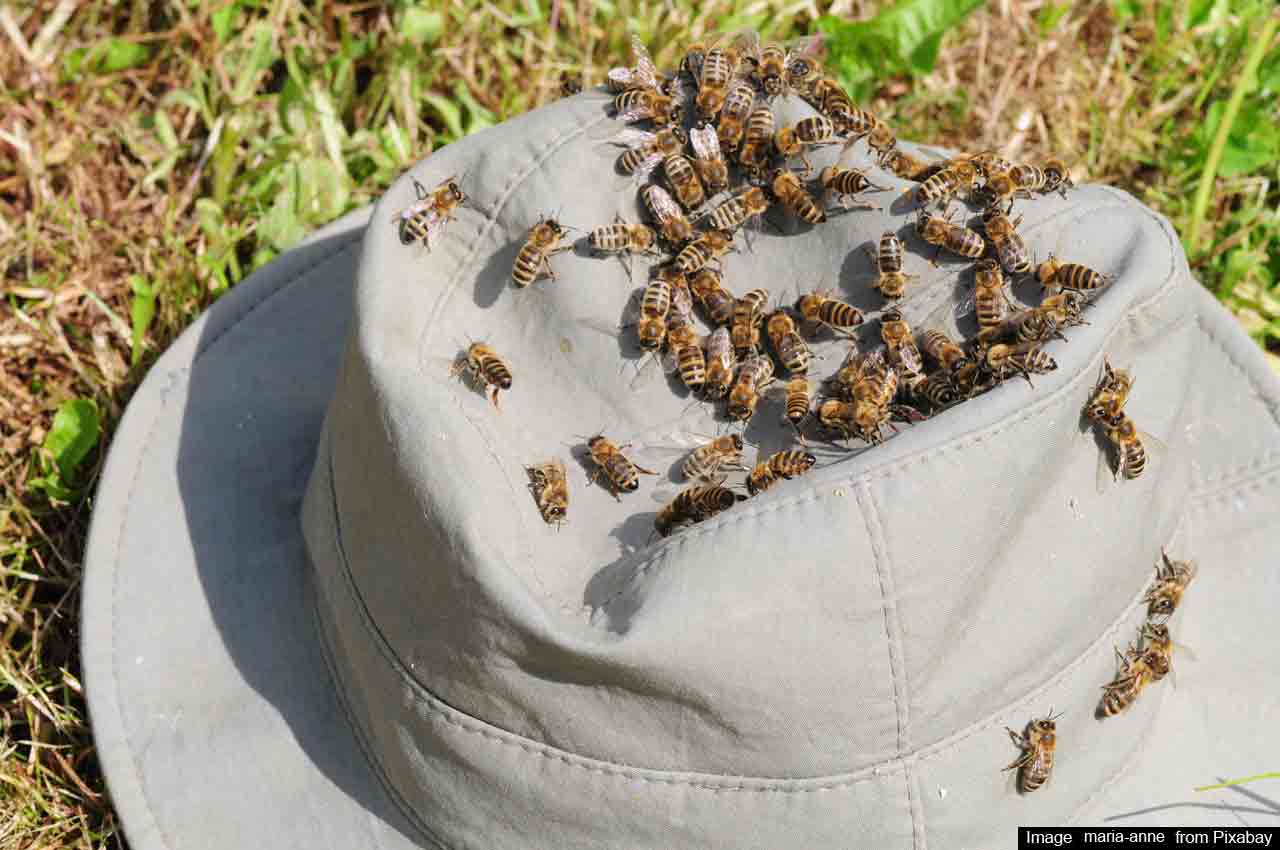
Our journey into the wild world of beekeeping didn’t start with a planned trip to a garden centre or a long-held ambition. It began in July 2024, when a massive swarm descended out of nowhere onto our house, determined to make a new home under the roof eaves.
Unprepared but undeterred, we managed to persuade the unwanted visitors into part of a hive borrowed from a generous neighbour. Caught up in the sudden excitement, we dived straight in and bought our own DIY hive. Once re-homed, our new tenants appeared very happy—and so were we. The colony grew rapidly throughout the summer and eventually settled down for the long winter months ahead.
Unfortunately, our initial triumph was short-lived. Though the colony made it most of the way through the cold season, it abruptly collapsed around late February. Just like that, our first attempt at beekeeping was no more.
Refusing to be beaten, we decided to give it another go in June 2025 by purchasing a small colony from a local apiary. Settled into their home, this second group thrived. By the time winter rolled back around, we were wiser: we now understood that feeding them fondant helps keep the hive nourished during the freezing months.
That extra care paid off and by March 2026, the hive was buzzing with energy, and in late May, it was literally bursting at the seams.
However, nature had another lesson in store for us!
Experienced beekeepers know that an overcrowded hive often leads to swarming, as the old queen packs up an entourage and leaves to start afresh. While new queen cells are left behind to ensure the colony’s survival, our newly hatched queen clearly wasn’t impressed with her accommodation. By June, she took off as well, taking the rest of the bees with her.
Once again, we had zero bees.
On the bright side, they didn’t leave empty-handed – they left behind a bountiful harvest of honey! But collecting the sweet reward brought its own trials and tribulations. What followed was a grueling, dirty, and intensely sticky clean-up process. Scraping away leftover beeswax, honey, and propolis—that incredibly tough resin glue bees manufacture to seal up every crack—took ages.
Covered in sticky residue, we came to a firm conclusion: beekeeping is nowhere near as easy as it looks. We decided to throw in the towel and were already making plans to upcycle the wooden hive into garden decor.
Then came the plot twist.
A few weeks ago, at the start of July, I spotted a few familiar honeybees flitting around our roof line. Curiosity (or perhaps foolish optimism) got the better of me. I set out a simple “bee box” loaded with a bit of leftover honeycomb right on the patio table. The very next day, those scout bees returned – bringing along a brand-new queen and a few thousand of her closest friends!’
Oh no. Looks like we are beekeepers again!